
Rivertown General Contracting delivers home additions in Fairfield County, CT, through a construction approach that keeps planning, structural work, utilities, and finishes aligned from the first site review through final inspection. As your general contractor, we study the existing structure, verify framing direction, check foundation conditions, and review how plumbing, electrical, and HVAC systems run through the home so the new addition connects naturally to the original building.

Home additions begin with a close review of the property and the existing structure. Rivertown General Contracting evaluates foundation conditions, grading, roof structure, and structural load paths so the addition can connect properly to the original house. We also review zoning requirements, setback limits, and permit steps to confirm the expansion fits within local regulations.
During this planning stage, we also identify design decisions that affect the construction schedule. Window selections, roof framing details, mechanical system capacity, and structural connections are organized early so materials, permits, and inspections align with the build sequence. With one general contractor guiding these decisions, the project begins with a clear construction plan rather than adjustments made during the build.
A home addition only feels seamless when the structure ties into the existing house with the right support, alignment, and weather protection from the start. Rivertown General Contracting reviews framing direction, load paths, beam and header locations, finished floor elevations, and roof geometry so the new work connects cleanly without uneven transitions, unexpected ceiling drops, or stress points where old and new construction meet.
Our team then coordinates the foundation connection, wall framing, and roof tie-in so the addition performs like part of the original home, including consistent stiffness, water management, and insulation continuity. We plan critical details early, including waterproofing at foundation walls, flashing at roof and siding transitions, and air sealing around openings, because these are the areas that most often create moisture problems and comfort issues when they are handled late. With one general contractor managing these connection points, the addition stays structurally sound, and the exterior envelope remains consistent across the full home.
Interior layout planning is where a home addition either feels effortless or feels patched on later. The best plans start with how people move through the home, where daily routines happen, and what storage must live close to those routines, then they confirm door swings, furniture clearances, stair access, and window placement so the new room works from day one. A trusted contractor keeps this stage practical by tying the layout to real structure and real systems, because framing direction, beam locations, plumbing paths, and duct routes often decide what can shift and what needs a smarter workaround.
Rivertown General Contracting brings that control to every addition by verifying field dimensions, confirming clearances, and coordinating the interior details before work begins so trades build to one coordinated plan. As your general contractor, we align ceiling heights, trim profiles, flooring transitions, cabinetry and built-in locations, and lighting placement so the new space connects cleanly to the existing rooms and feels consistent throughout the home.
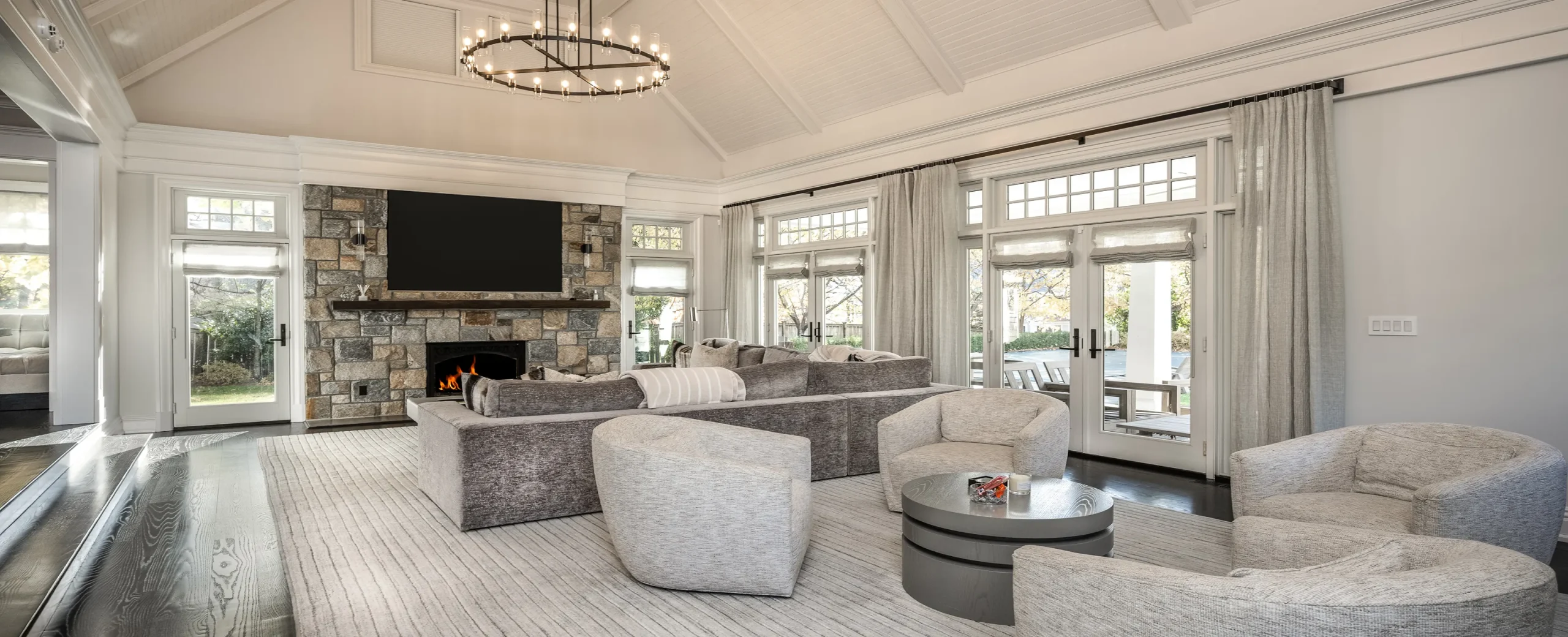
Building an addition requires careful sequencing because excavation, foundation work, framing, and rough-ins must occur in a controlled order. Rivertown General Contracting phases each stage of the project so the new structure can be built while protecting the existing home. Demolition areas are isolated, structural work is supported safely, and system installations follow the correct sequence.
Our team coordinates framing crews, plumbers, electricians, HVAC installers, insulation teams, and finish trades so each phase hands off smoothly to the next. Jobsite reviews, verified measurements, and planned material deliveries keep the addition moving forward while maintaining the stability of the existing structure.
The finished work determines how well the addition blends with the rest of the home. Rivertown General Contracting supervises flooring installation, cabinetry alignment, trim carpentry, painting, and fixture installation so materials meet cleanly at transitions between new and existing spaces. Matching trim details, consistent flooring transitions, and aligned cabinetry help the new rooms feel fully integrated.
As the project approaches completion, we review mechanical systems, doors, windows, and finish details so the addition functions properly within the entire home. Walkthroughs and punch list reviews allow adjustments to be completed while trades remain on site, which keeps the final handoff organized and predictable.
Rivertown General Contracting delivers Home Additions in Fairfield County, CT, with a construction process built on careful planning, field experience, and close coordination from the first walkthrough to the final inspection. Homeowners choose our team because we manage every phase of the project as one connected effort. Structural work, utilities, scheduling, and finishes all fall under a single, well-defined construction plan. This keeps the build moving forward smoothly, minimizing any potential confusion among the various trades. Because a single General Contractor manages the entire process, clients have a clear understanding of the project’s current phase and the upcoming steps.
A well-executed home addition truly excels when it harmonizes with the original design. The goal is a space that’s not only attractive but also durable. Rivertown General Contracting believes in getting things right from the start. They carefully evaluate the framing, foundations, roof connections, and the capacity of existing systems. This early focus guarantees that the addition can handle the necessary weight and that the home’s plumbing, electrical, and HVAC systems can comfortably support the new rooms without strain.
For homeowners upgrading the heart of the home, explore kitchen remodeling in Fairfield County, CT
Home additions vary greatly, depending on their size, structural requirements, and the time it takes to get permits. These projects usually follow a set order, including excavation, foundation work, framing, rough-ins, and finishes, which can take several months to complete.
Yes. Structural expansion, electrical work, plumbing changes, and inspections typically require permits. A General Contractor coordinates these approvals to keep the project aligned with local building regulations.
Yes. With the right planning, the new space can match rooflines, floor heights, window sizing, trim, and exterior materials so it blends with the original home.
Cost mainly depends on the size of the addition, how complex the structure and roof tie-in are, how far utilities must extend, and the finish level you choose.
Yes. Plumbing, electrical, and HVAC can extend into the addition when capacity is confirmed, and routing is planned, including panel loads, drain and vent paths, and duct runs, so the existing home continues to perform well.